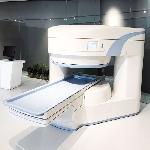
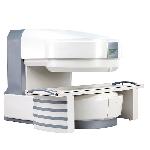
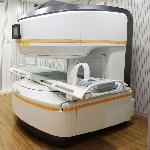
MSLMRI11 Dual-Pillar Permanent MRI System - Technical Specifications & Core Features
As an industry-leading permanent MRI solution, MSLMRI11 features a dual-pillar structure, high magnetic field performance, and cost efficiency, serving as a reliable low-cost clinical MRI equipment for hospitals, clinics, and diagnostic facilities. Below are detailed technical parameters and key advantages:
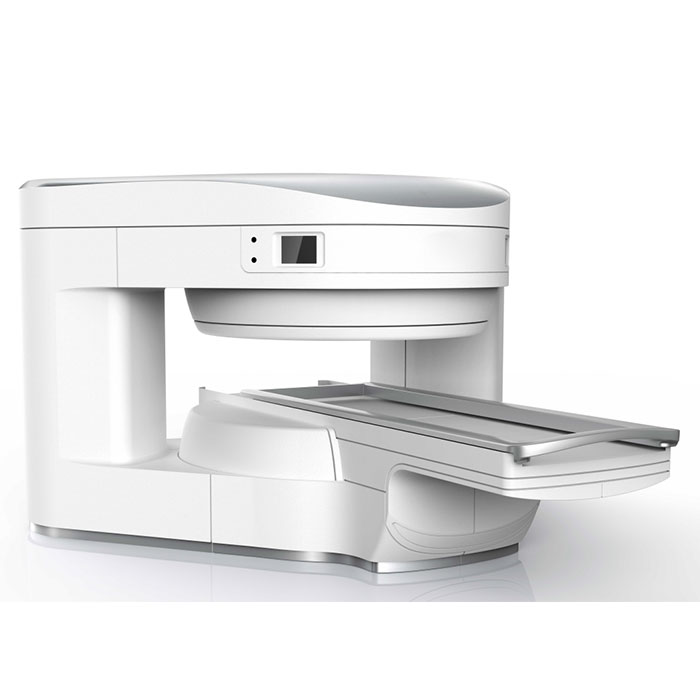
1. Magnet System
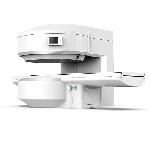
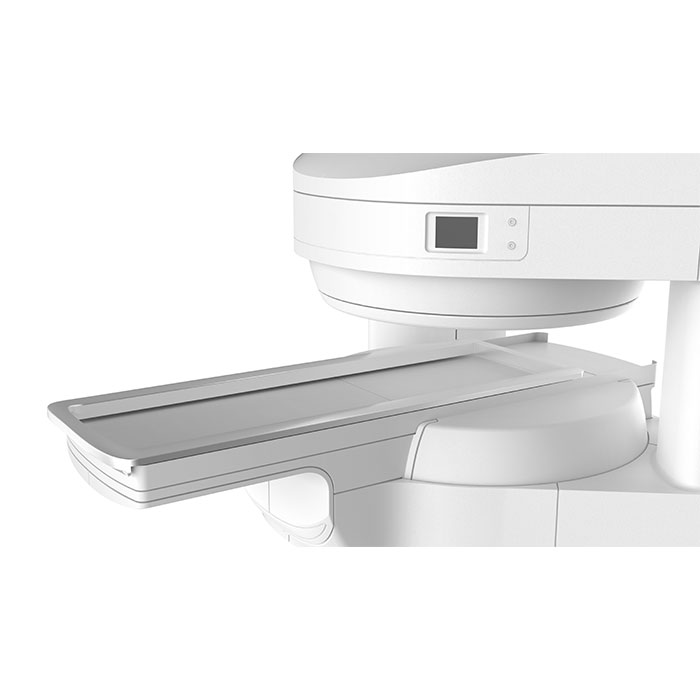
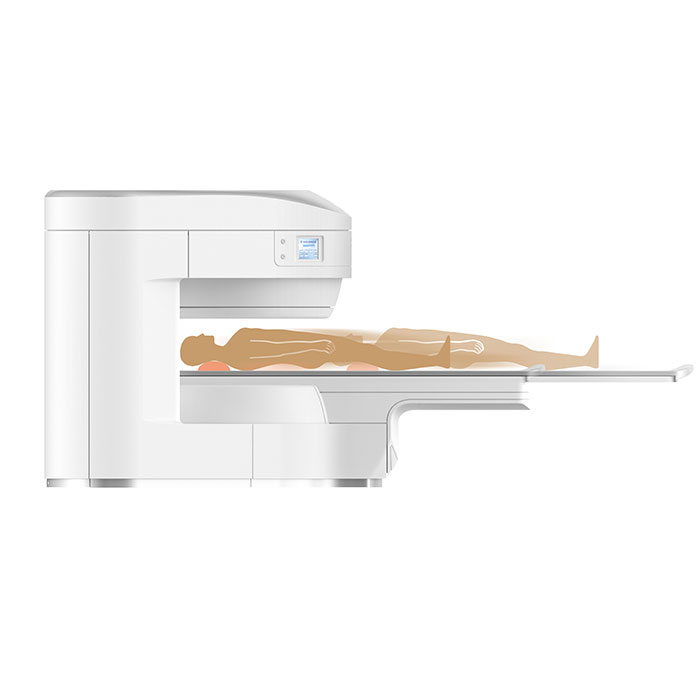
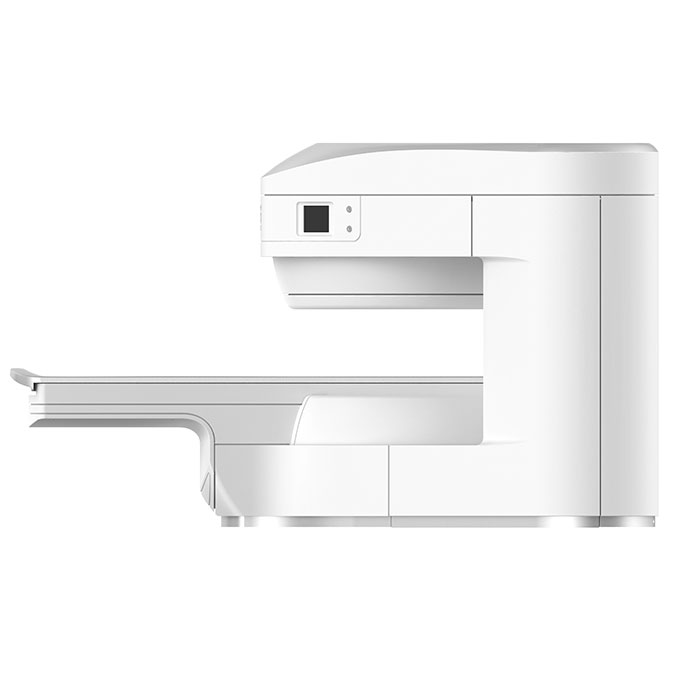
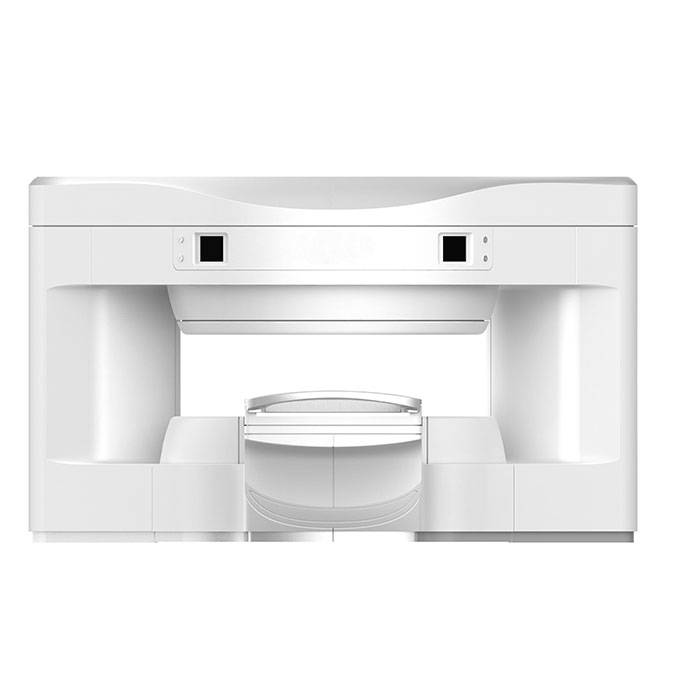
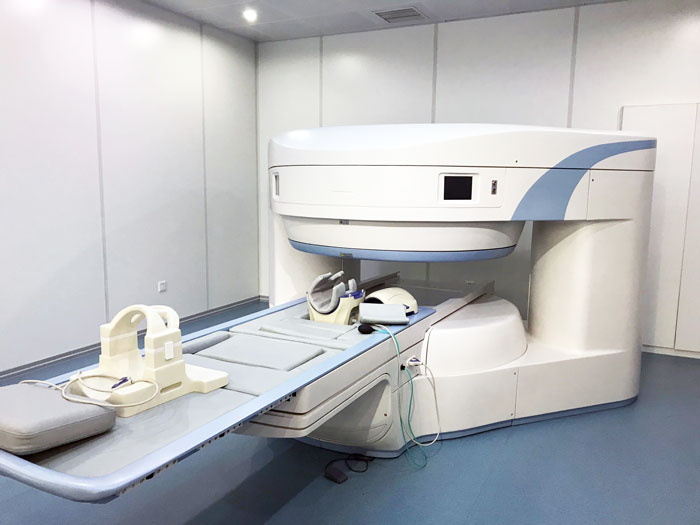
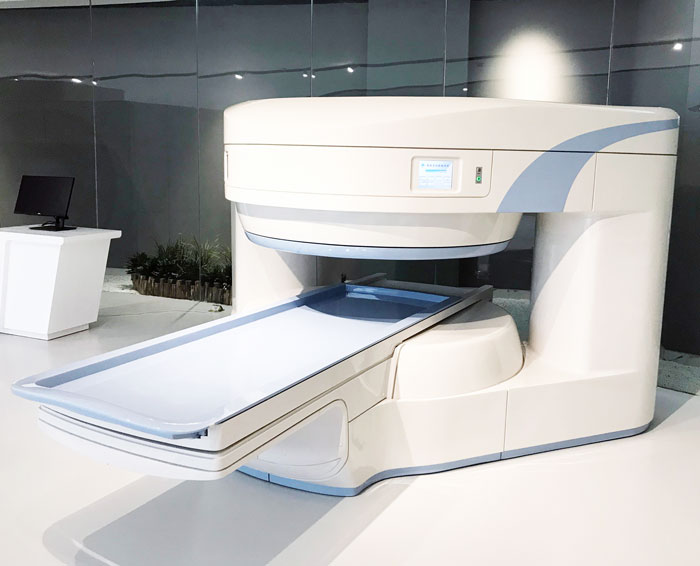
- Magnet Type: Dual-Pillar permanent magnet (compact design for space-saving installation)
- Core Advantages: Highest magnetic field of permanent magnet (industry-leading level)
- Key Technologies:
- A-shimming Technology: Ensures high-level magnetic field homogeneity
- Intelligent Temperature Control System: Maintains stable magnetic field performance during long-term operation
- Structural Feature: Compact design maximizes the use of limited space, adapting to diverse site conditions
2. Gradient System
- Core Technologies: Integrated Self-shielding & Eddy-'0' Technology (minimizes interference, guarantees high image quality)
- Performance Traits: High level of linearity + Powerful output (performance close to superconducting MRI)
- Imaging Advantages: Easy to obtain large FOV (Field of View) and thinner slice images; fast scan speed
- Component Configuration: Signal Unit → D/A Unit → Power Stages → Gradient Coils (streamlined transmission chain for stable performance)
3. RF System & Spectrometer
- RF System Type: Digital 4-channel RF system (high signal fidelity and imaging efficiency)
- Core Components:
- 4-channel A/D Unit (high-precision signal conversion)
- Powerful RF output module (supports clear signal transmission)
- 4-channel Phase Array (PA) receiving coils* (enhances signal reception and image clarity)
- 4-channel full-digital spectrometer (ensures fast data processing and high resolution)
- Note: Marked with "*" indicates non-standard configuration; please contact us for customization details.
4. Humanized Design & Hardware
- Operation Interface: Touched screen (fashionable and technological, intuitive operation to improve workflow)
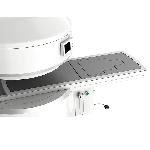
- Patient Table: Integrated electric patient table (enhances patient comfort and operational convenience)
- Overall Concept: Combines technology with humanistic care, providing a comfortable experience for both operators and patients
5. Clinical Imaging Capabilities
5.1 Supported Imaging Sequences & Body Parts
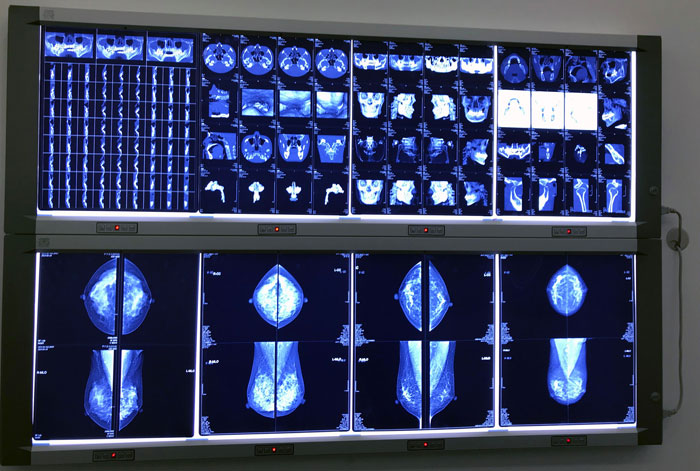
- Head & Brain: T2_FLAIR, T1WI, T2WI, DWI_b1000, DIXON*, MRA TOF3D, high-resolution TMJ imaging
- Spine: C-Spine (T1WI, T2WI, STIR), T-Spine T2WI, L-Spine (T1WI, T2WI, STIR)
- Abdomen: T2WI, STIR, MRCP (Magnetic Resonance Cholangiopancreatography), Routine FSE, Propeller FSE
- Pelvis: T2WI, STIR
- Joints: Ankle (DIXON_Fat, DIXON_Water, T2WI), Knee (T1WI, STIR, GRE2D), Hip T2WI, Shoulder (T1WI, T2WI)
- Key Technology: Propeller FSE technology (effectively reduces image artifacts)
5.2 Clinical Application Scenarios
Neurological diagnosis, spinal imaging, abdominal examination, joint assessment, musculoskeletal (MSK) imaging, vascular imaging, pelvic diagnosis
6. Cost-Efficiency & Site Advantages
- Operating Cost: Saves 80% annual operating cost compared to superconducting MRI systems (no high-cost refrigeration equipment, low power consumption, minimal maintenance expenses)
- Long-Term Savings: Significantly lower 5-year total operating cost than traditional superconducting MRI
- Flexible Site Design: Adaptable to multiple layout options (Waiting Area + Operation Room + Scanning Room + Equipment Room; or customized combinations)
7. Service & Support
- 24-Hour Service Response: Professional technical support available around the clock
- Spare Parts Supply: Rich spare parts backup and fast global delivery
- Global Service Network: Over 100 dedicated service engineers to minimize equipment downtime



 Price is 8-20% Lower Than Other